





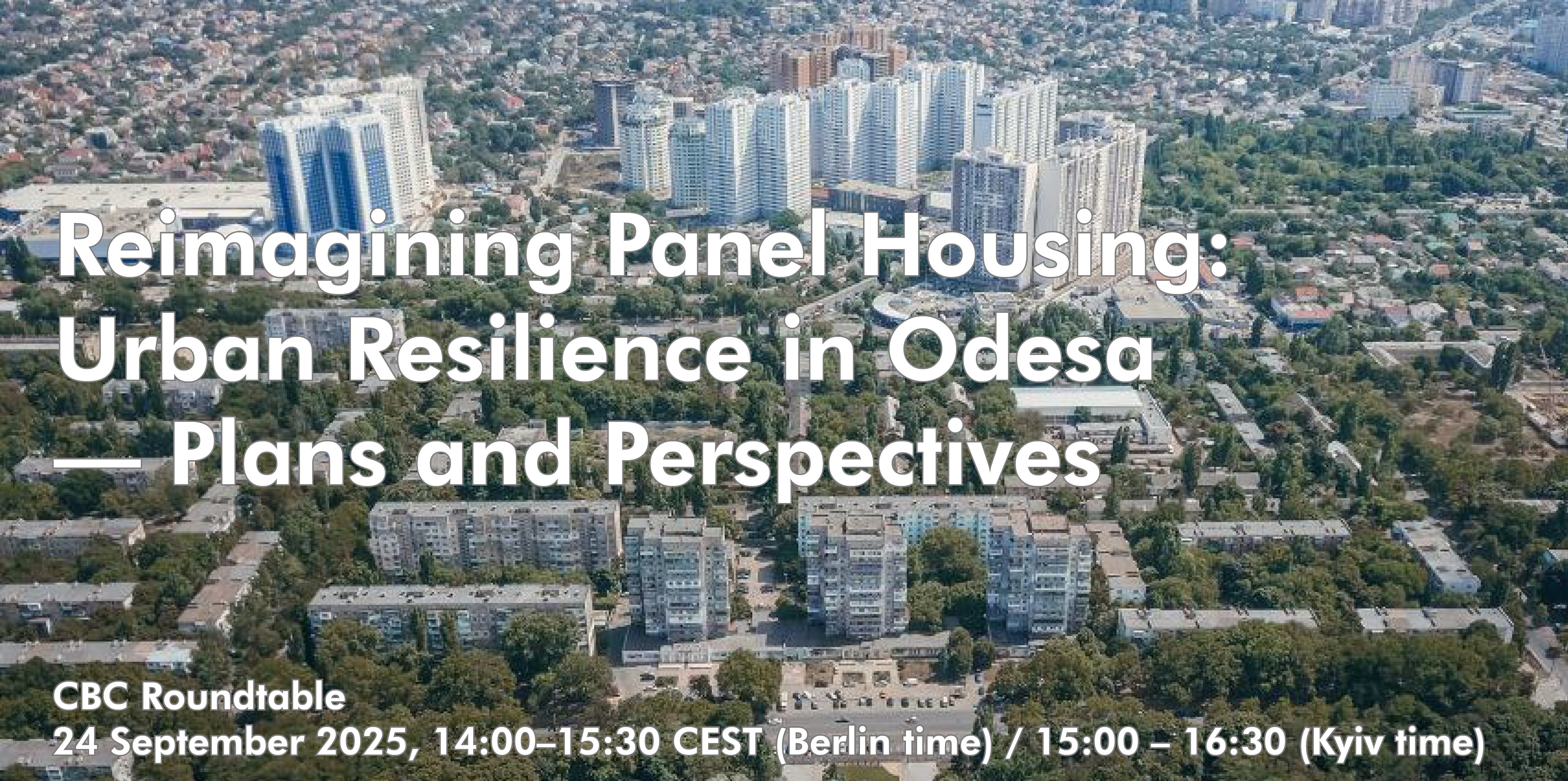


24 September 2025, 14:00–15:30 CEST (Berlin time) / 15:00 – 16:30 (Kyiv time)
This roundtable fosters an open dialogue among experts, practitioners, and local stakeholders, focusing on practical solutions and shared concerns. We will examine current urban and housing conditions in Odesa, the key challenges posed by ongoing military destruction, and the impacts on the built environment and communities. The discussion will also address policy gaps and local socio-political dynamics. Participants will share long-term strategies, grassroots initiatives, and case studies of urban resilience, housing recovery, and community-driven efforts in Odesa and across Ukraine.
The goal is to address the challenges of residential recovery amid ongoing military destruction, with a focus on energy-efficient and resilient rebuilding. It will explore strategies to adapt the built environment to climate- and conflict-related risks, and identify pathways for long-term, cross-sectoral, and international collaboration — including future research and practical project development beyond short-term interventions.
Participants
Dr. Oleksandr Grekov — Head of the Urban Planning Cadastre Service, Department of Architecture, Urban Planning and Land Management, Odesa
Knut Höller — Managing Director, Housing Initiative for Eastern Europe (Initiative Wohnungswirtschaft Osteuropa (IWO) e.V.), Berlin
Mykola Matyushenko — Chair of the Board, Association of Architects, Odesa
Prof. Dr. Vladimir Sukhanov — Director of Architectural and Art Institute, Honored Builder of Ukraine, Member of ICOMOS Ukraine, Scientific Director of SPC “Ecostroy”, Odesa
Olesya Surovaya — Chair of the Architectural Chamber of Ukraine, Odessa branch of the NUAU, Odesa
Mykyta Lukyanchuk — Director of Architectural Agency, “Svoy Dom”, Odesa
Prof. Dr. Olga Savitskaya — Architectural and Art Institute (OSACEA) Odesa
Dr. Nadiia Dmytryk — Associate Professor, Department of Architecture of Buildings and Structures (OSACEA) Odesa
Dr. David Pischev — Architect and urban activist, Odesa
Main partner
Odessa State Academy of Civil Engineering and Academy (OSACEA)
Moderator
Prof. Dr. Barbara Engel (KIT)
Project team
Dr. Anastasia Malko (KIT), Dr. Anastasia Bozhenko (GWZO), Ekaterina Gladkova (KIT), Marina Sapunova (KIT)
Concluding Reflections
The discussion concluded with reflections on opportunities for systemic transformation.
Participants noted that the collapse of the old investor-driven housing model presents a window to develop a new housing policy framework in Odessa. Crises, including war, can act as catalysts for positive, effective urban transformation.
Speakers agreed that the post-war period provides an opportunity to implement many of the measures discussed:
- Strengthening state and municipal institutions for housing management
- Diversifying housing provision to include social and affordable rental options
- Preserving cultural and architectural heritage
- Ensuring that refurbishment and reconstruction are carried out with both technical and human-centered considerations
The roundtable concluded with a consensus that state-led intervention, professionalized municipal structures, and international cooperation are critical to creating a resilient, inclusive, and sustainable housing system in Odessa and other Ukrainian cities.
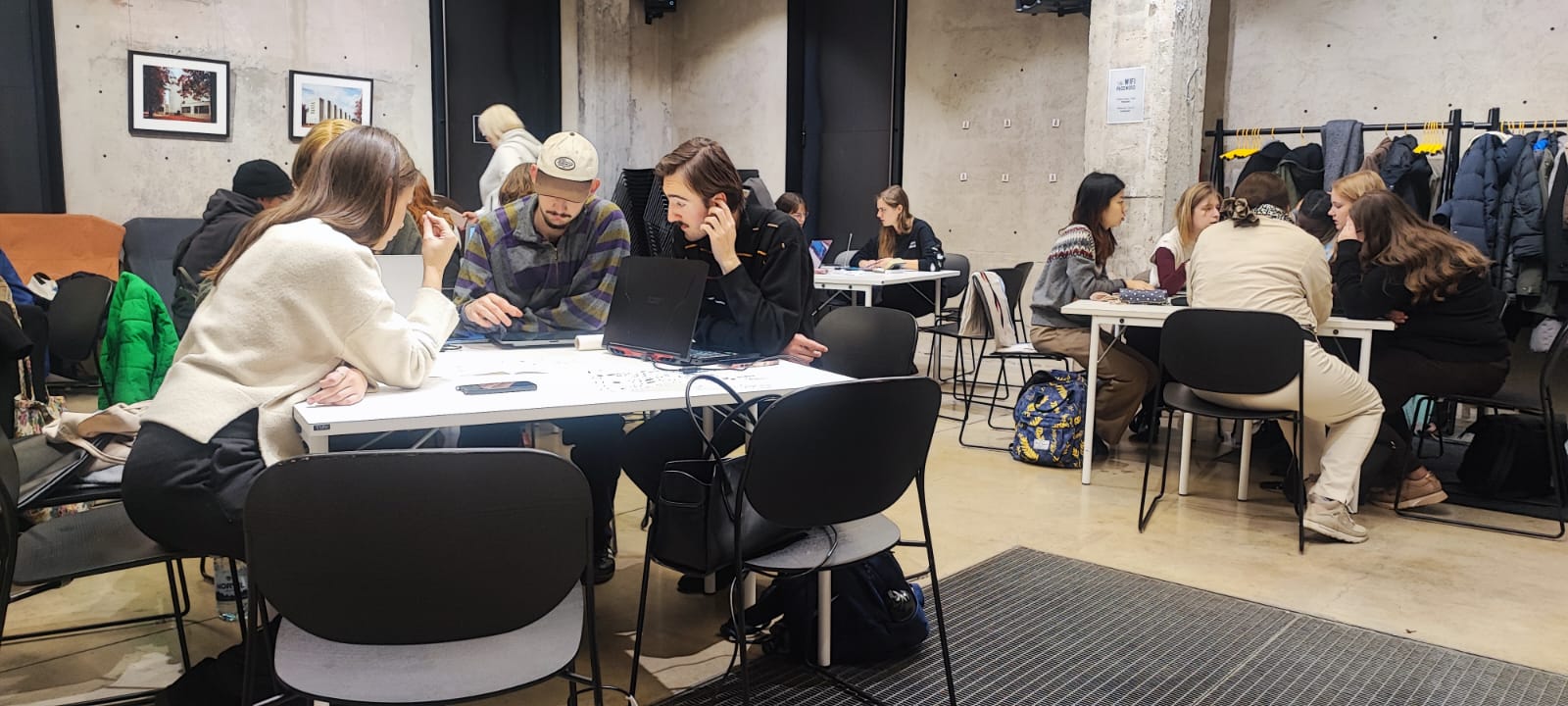
In 2025-2026 our research project coordinated the collaboration between the KIT Urban Design Studio Lasna!dee. Perspectives for Resilient Neighborhoods in Kuristiku / Tallinn and a network of Tallinn-based partners: the City of Tallinn's Urban Planning Department, Tallinn University, TalTech, and NGO Lasna!dee.
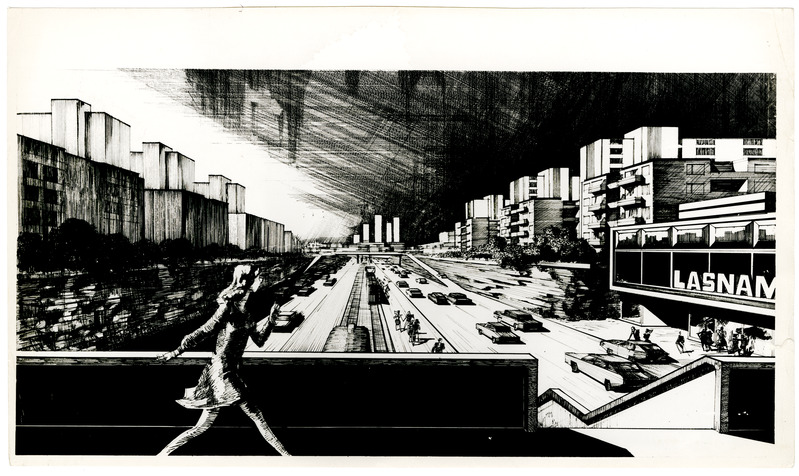
Fig. 1. A sketch of a pedestrian overpass providing access to the commercial centre of Lasnamäe, Tallinn, 1977. Source: Museum of Estonian Architecture
The studio, led by Prof. Dr. Barbara Engel, Nora Staab, and Margarita Vollmer (Chair for International Urban Planning and Design, KIT Karlsruhe Institute of Technology), took Kuristiku as its design focus for the winter semester 2025/26. Kuristiku is one of Lasnamäe's most underinvested neighbourhoods: a large housing estate of some 11,000 residents, built between 1987 and 1990 and largely untouched by the urban renewal efforts that have reshaped other parts of the city. Central to the studio were questions that planning practice across cities with a large-scale housing legacy is still working through: how to build resilience into inherited housing fabric, and how to activate what already exists rather than replace it.
The involvement of Tallinn-based partners throughout the semester was what grounded the academic design process in real local knowledge and ongoing institutional dialogue. Their participation shaped both the workshop programme and the feedback process on student work, ensuring that the proposals developed at KIT remained connected to the realities of the neighbourhood and to the people working in it.
The collaboration unfolded across two interconnected formats: an on-site workshop in Tallinn in November 2025, and the studio semester at KIT that followed. The studio ran in parallel with a connected design class at four Ukrainian partner universities (https://www.cnutr.com/), making it a genuinely international process engaging students and faculty across three countries.
The Workshop. November 19–27, 2025
The collaboration opened with an intensive on-site workshop in Tallinn, involving students and faculty from Estonia (Tallinn), Germany (Karlsruhe), and Ukraine (Odessa, Kyiv, Lviv). Over five working days, mixed international teams conducted fieldwork, mapped Kuristiku, and developed first conceptual scenarios across five thematic directions: strengthening existing assets, seasonal climate comfort, ground-floor activation, biodiversity networks, and infill for a 15-minute city.
The programme included an introductory lecture by the Urban Planning Department of Tallinn Municipality (Ann Kristiin Entson), a research lecture by Prof. Tauri Tuvikene (Tallinn University) and Prof. Irina Raud (TalTech), and a session with NGO Lasna!dee (Polina Ljaševa and Anton Kuunal), who also led the site visit to Kuristiku. Final presentations were held at the Lasnamäe Pavillon, introduced by Paul Aguraiuja.
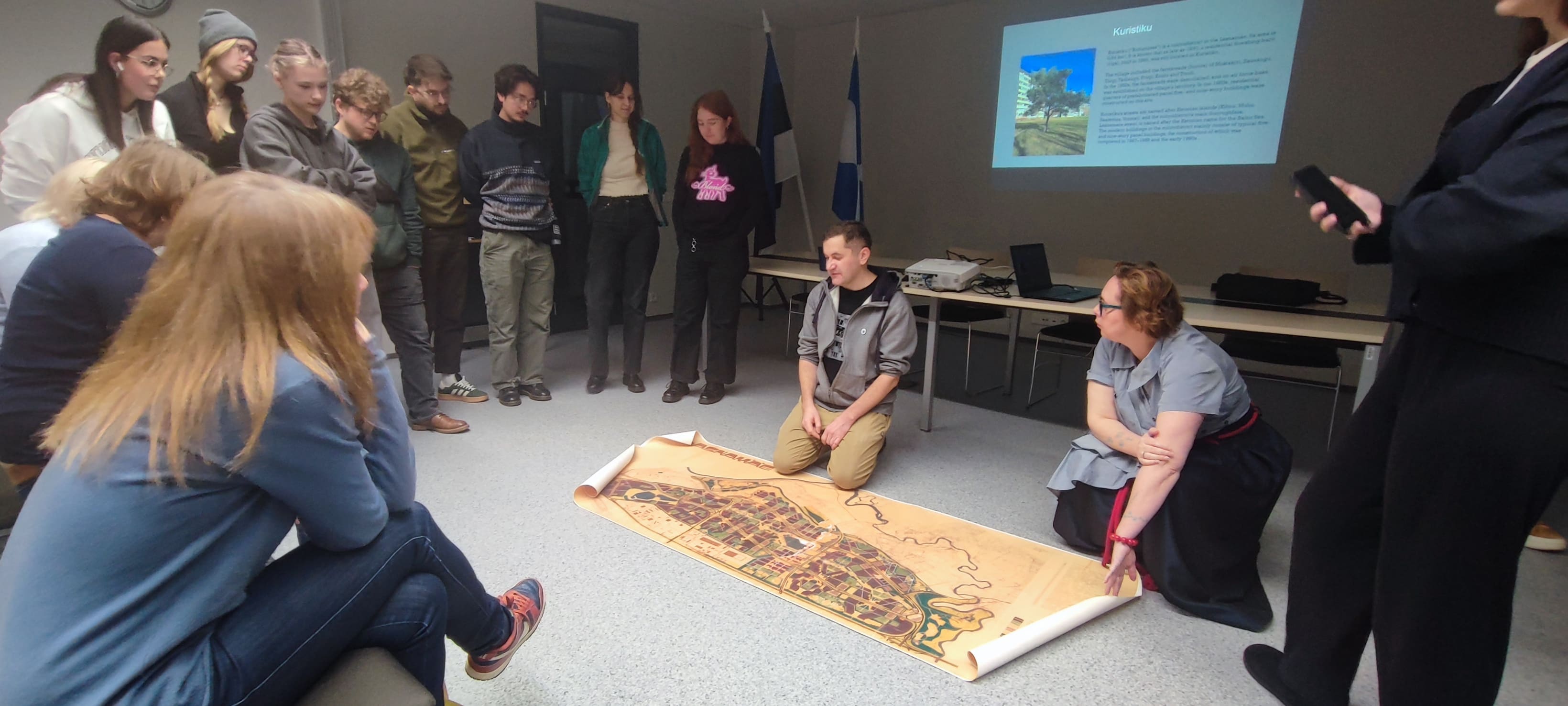
Fig. 2. Meeting with the NGO Lasna!dee at the local administration of Lasnamäe district, Tallinn, Estonia. November 21, 2025.
Photo: Ekaterina Gladkova
The Studio Semester. WS 2025/26
Building on the workshop, KIT students developed full masterplan proposals for Kuristiku's resilient transformation throughout the winter semester. The design process was structured around continuous exchange with Tallinn partners: students received ongoing feedback from NGO Lasna!dee on their interim concepts, and presented results to City of Tallinn representatives for discussion.
Anton Kuunal (Lasna!dee) reviewed all interim student projects and provided written commentary that grounded the proposals in local knowledge. On the value of the work as a whole:
"Whatever their pros and cons, every single one performs an important role for the people of Lasnamäe by allowing us to see our environment from a fresh perspective. These projects help sharpen our vision and offer guidance for the future."
On the methodological principle that resonated most clearly with the NGO's own approach:
"The changes should always be felt by the residents as something that benefits them. The residents should always be an active participant in decisions regarding the future of their daily lives – this is the most correct approach, allowing you to develop both a sense of belonging and a sense of self-esteem of the residents."
Round Table – February 12, 2026
A virtual round table brought together KIT students, Prof. Tauri Tuvikene (Tallinn University), Anton Kuunal (Lasna!dee) for a structured discussion of the final studio proposals, closing the feedback loop between the academic design process and local stakeholders.
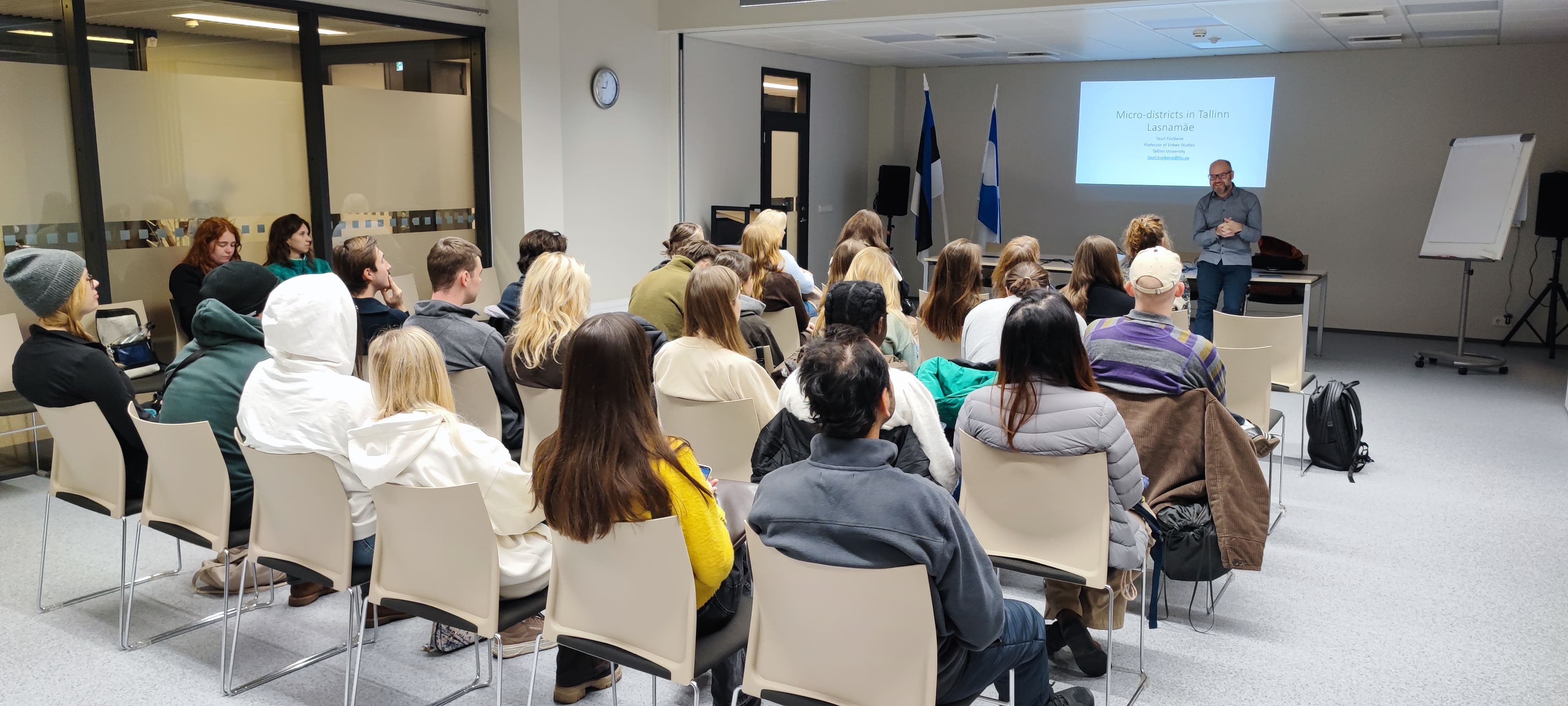
Fig. 3. Lecture by Prof. Tauri Tuvikene at the local administration of Lasnamäe district, Tallinn, Estonia. November 21, 2025.
Photo: Ekaterina Gladkova
Outputs
Student projects are being prepared for an exhibition in Tallinn in the upcoming summer. The conceptual work developed through this collaboration feeds directly into our project's comparative analysis of large housing estates and the development of a pilot project for Kuristiku.
For our research project, this collaboration demonstrated the value of embedding academic design work within an ongoing research framework. The studio generated a range of spatial proposals that we could not have produced through research alone: tested against local knowledge, discussed with municipal partners, and filtered through the lived experience of the neighbourhood as articulated by NGO Lasna!dee. At the same time, the partnership gave the studio access to a structured network of local contacts and institutional relationships that grounded the design process from the outset. This model of collaboration, connecting research, teaching, and local practice across national contexts, is one we aim to develop further.
The midterm and final student projects can be viewed here: https://www.cnutr.com/index.php/2025/urban-design-class-lasna-dee-perspectives-for-resilient-neighborhoods-in-kuristiku-tallinn