




Everyday Urban Practices in Tbilisi
by Ekaterina Gladkova
In Tbilisi’s large housing estates, open space remains one of the most contested and least regulated resources. In districts such as Vazha-Pshavela, originally planned as modernist microdistricts with generous green courtyards, today’s spatial reality is shaped less by planning principles and more by everyday practices. Among these, car parking stands out as one of the most persistent and visible challenges.
Cars occupy almost every available surface. Lawns, sidewalks, playground edges, and residual spaces between buildings are gradually absorbed into an informal parking system. What was once conceived as shared open space becomes fragmented into individual claims, temporary, yet continuously reproduced. A collage of fieldwork photographs reveals this pattern clearly: vehicles parked along improvised paths, on patches of grass, or directly in front of entrances, redefining spatial hierarchies through use rather than design (Fig. 1).
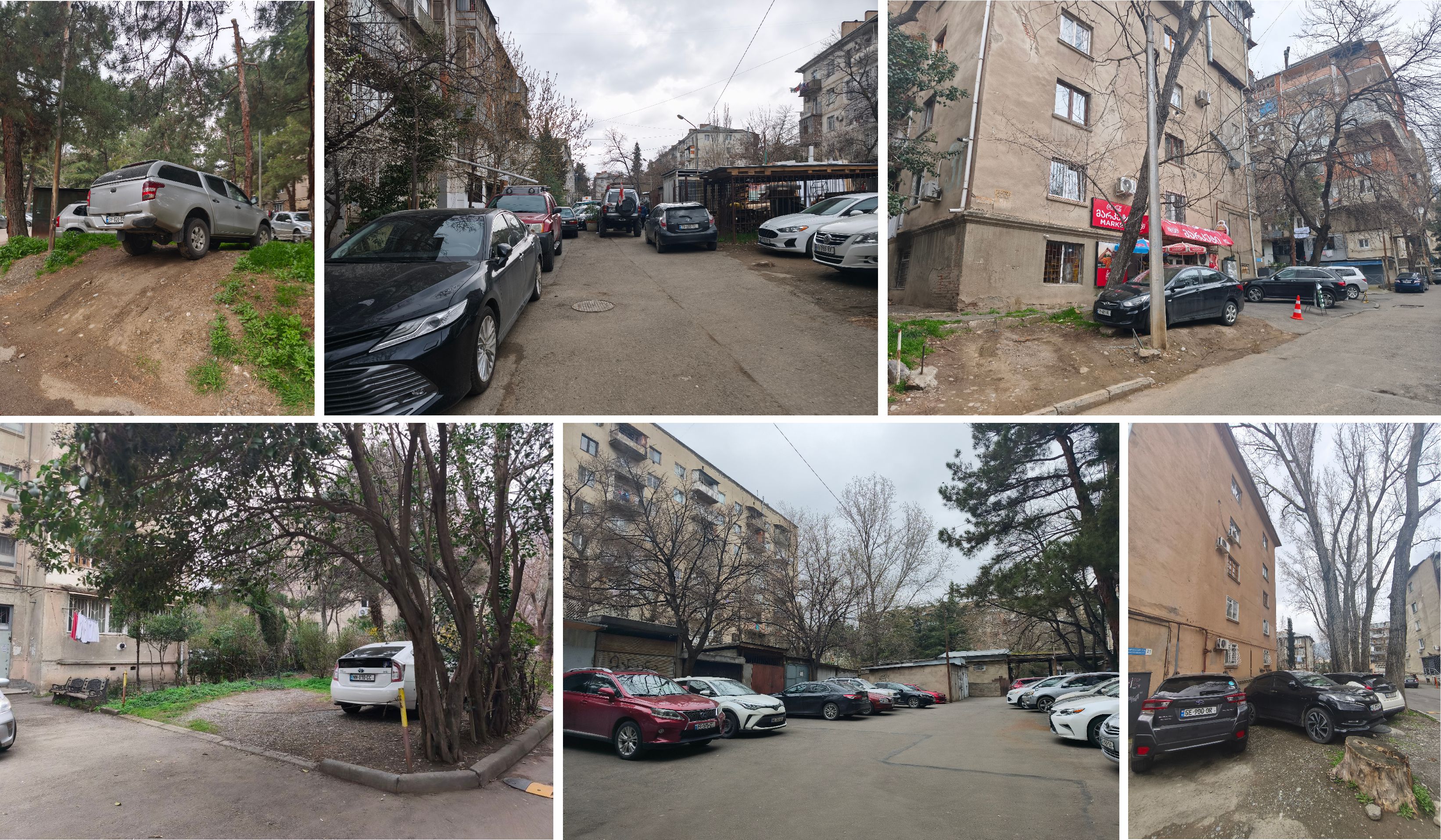
Fig. 1. Every Surface Becomes Parking in Vazha-Pshavela, Tbilisi, Georgia. March 22, 2026.
Photo: Ekaterina Gladkova
At the same time, this process is not entirely unregulated. In recent years, the municipality of Tbilisi has introduced several programs aimed at improving neighborhood environments and supporting resident-led initiatives. One example is the Tbilisi Participatory Budgeting Program, through which residents can submit proposals for small public space projects such as courtyard upgrades, playgrounds, or parking improvements, gather local support, and secure municipal funding (Fig. 2).
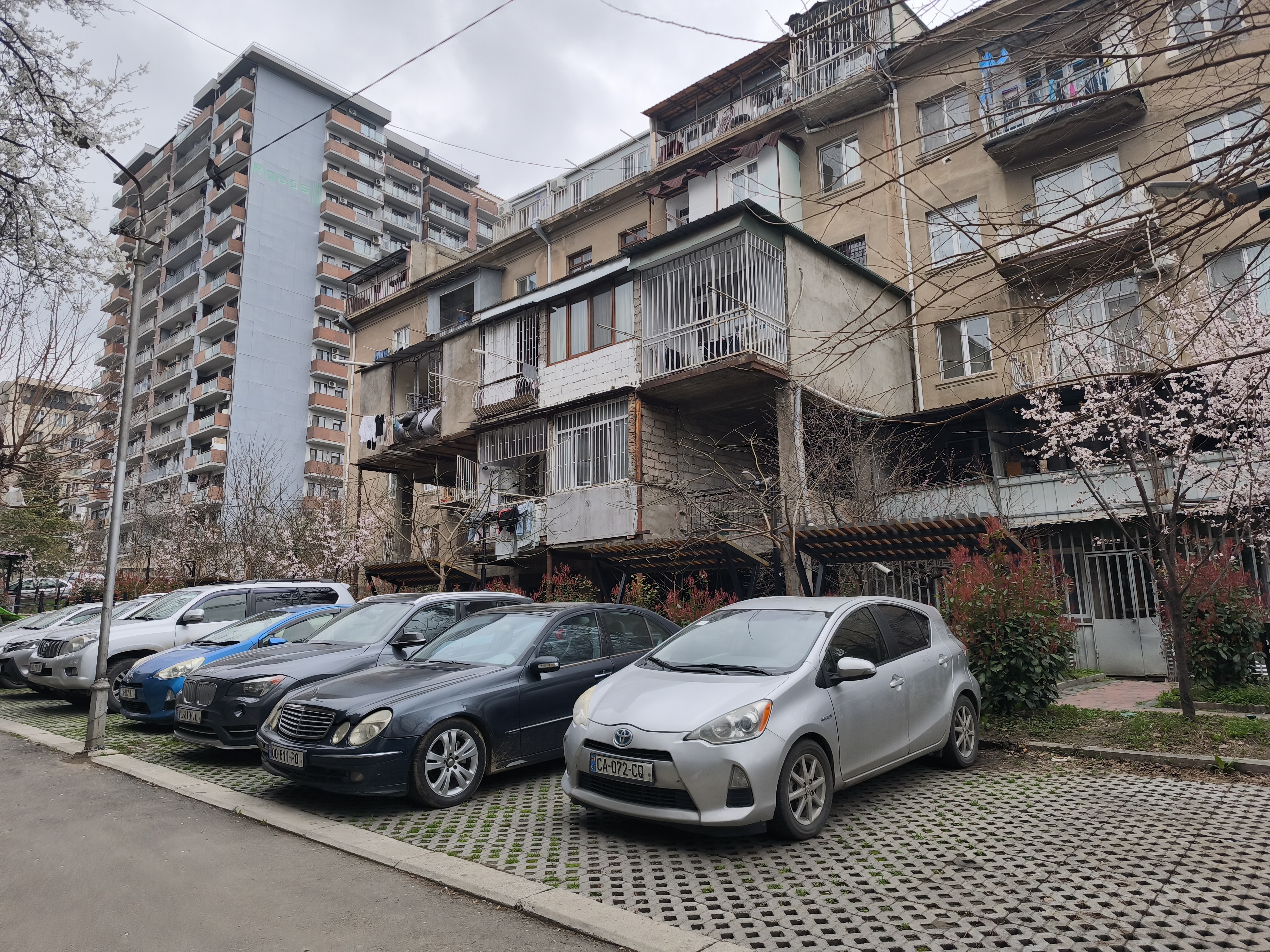
Fig. 2. Renovated Parking Area Supported by Tbilisi Participatory Budgeting Program in Vazha-Pshavela II Block, Tbilisi, Georgia. March 22, 2026.
Photo: Ekaterina Gladkova
In addition, more formalized systems of parking allocation are emerging. Residents can apply through the official Tbilisi City Hall portal for designated parking permits attached to their home addresses, which can be either individual or collective, and are often marked with signs or barriers (Fig. 3). While these permits do not create private ownership of the space, they allow residents to reserve a spot within a municipal zone, formalizing their parking rights in areas with high demand. This process depends on street type, municipal regulations, and requires documents such as proof of residence, vehicle registration, and ID. As a result, the parking landscape becomes a hybrid condition: neither fully public nor fully private, negotiated through everyday practices, informal agreements, and administrative procedures.

Fig. 3. Reserved Parking in Vazha-Pshavela: Individual and Collective Spaces, Tbilisi, Georgia. March 22, 2026.
Photo: Ekaterina Gladkova
An attempt to challenge this dynamic was made during a student workshop in Vazha-Pshavela in October 2024 ( https://greensuperblock.com/news13 ). Over the course of the project, an open space previously dominated by chaotic parking was temporarily transformed through tactical urbanism interventions to public space. Students, together with local residents, re-zoned the area, introducing seating, greenery, and playful elements. Importantly, some residents volunteered to maintain the new elements, suggesting a degree of local ownership and engagement.
However, returning to the site one and a half years later reveals a more complex picture. The space has gradually reverted to its previous use: cars once again occupy the area where benches and plants were installed. This shift is not simply a failure of design or participation, but rather an indication of deeper structural tensions. The demand for parking, combined with limited alternatives and weak enforcement, continues to override other spatial functions (Fig. 4).

Fig. 4. From Parking to Public Space and Back, Experience of Vazha-Pshavela VI Block, Tbilisi, Georgia. March 22, 2026.
Photo: Ekaterina Gladkova
This raises a fundamental question for future interventions: how can temporary transformations lead to lasting change in environments where everyday needs are so strongly tied to car use? And how can concepts such as resilience or superblocks currently discussed in the context of Tbilisi’s urban development be translated into locally meaningful and sustainable practices?
The case of Vazha-Pshavela highlights the importance of understanding public space not as a fixed category, but as an ongoing negotiation. Between cars and communities, between planning and practice, the future of these neighborhoods will depend on the ability to reconcile competing needs and to rethink what shared space can be in the post-Soviet city.