





Who Builds Resilience in the City?
by Anastasia Malko
Odesa’s large housing estates are often seen as monolithic relics of the Soviet past — long blocks of concrete, grid-like streets, and empty courtyards. Yet beneath this austere surface lies a network of structures, institutions, and practices that quietly shape how these neighborhoods endure, adapt, and care for their residents.
A recent roundtable (https://cities-building-culture.com/index.php/en/news-and-events/reimagining-panel-housing-urban-resilience-in-odesa-plans-and-perspectives-cbc-roundtable-24-september-2025-14-00-15-30-cest-berlin-time-15-00-16-30-kyiv-time) brought together architects, municipal representatives, researchers, and international experts under the moderation of Prof. Dr. Barbara Engel from the Karlsruhe Institute of Technology. The focus was clear:
how to strengthen resilience in the city’s large housing estates.
Who actually builds urban resilience — and how?
Over the course of the discussion, four interconnected perspectives emerged: the international, municipal, architectural, and academic. Each added a layer to a shared understanding — resilience as a distributed practice, built from facade to structure, from rules to culture, from material to memory.
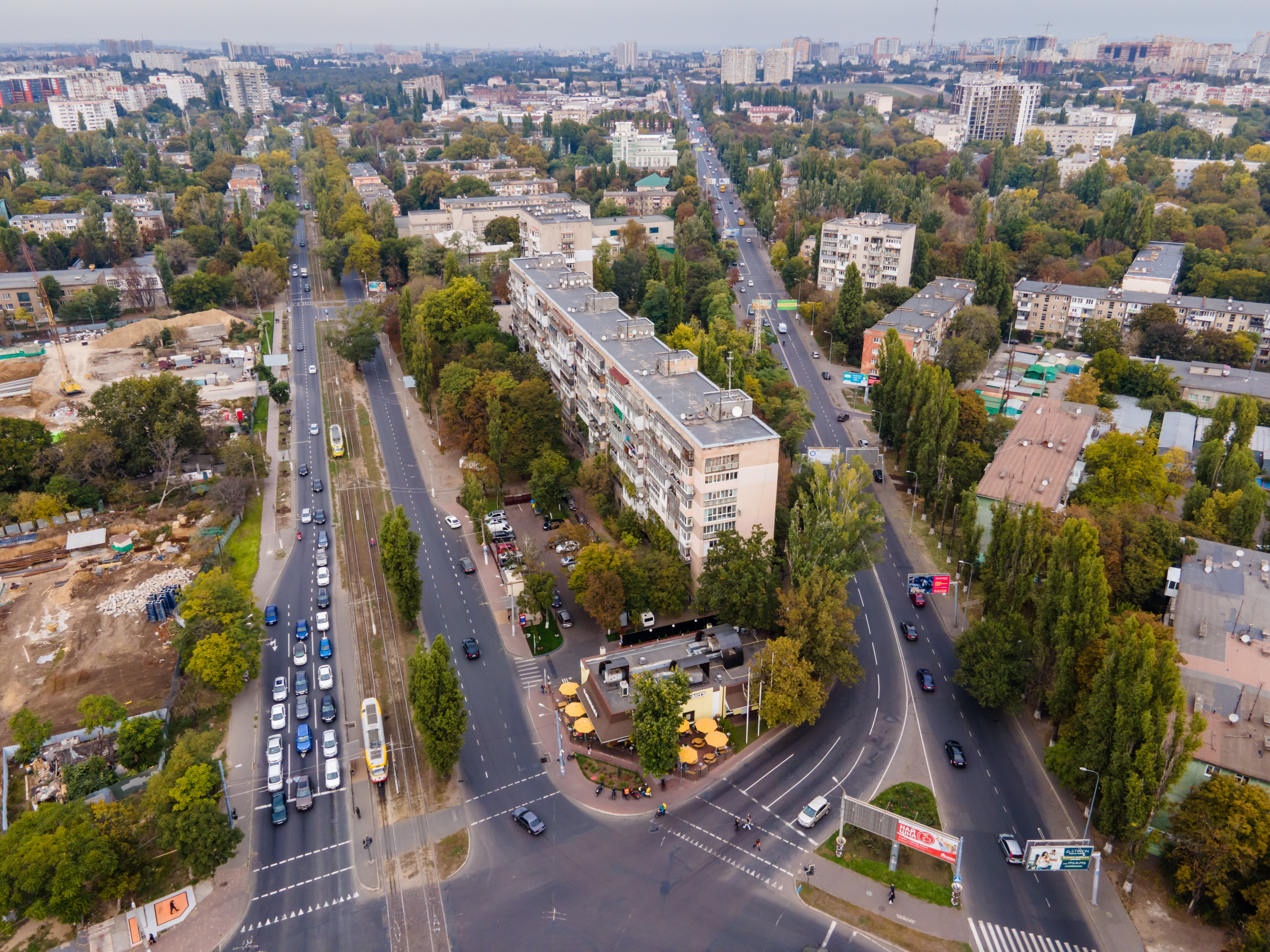
Fig. 1. Odesa, Cheremushki District
Photo: OSACEA archive, 2016
1. The International Perspective — Building Systems, Not Symbols
“Renovation isn’t rocket science,” noted Knut Höller of the Housing Initiative for Eastern Europe.
“It just needs predictable rules and stable institutions.”
Höller drew parallels between Odesa and German urban renewal programs.
For him, resilience begins with institutional predictability — clear legislation, transparent financing, and municipal systems that function even in uncertainty.
He reminded the audience that resilience is not spontaneous adaptation; it’s a policy architecture.
When governance, planning, and financing align, whole neighborhoods can be renewed rather than merely repaired.
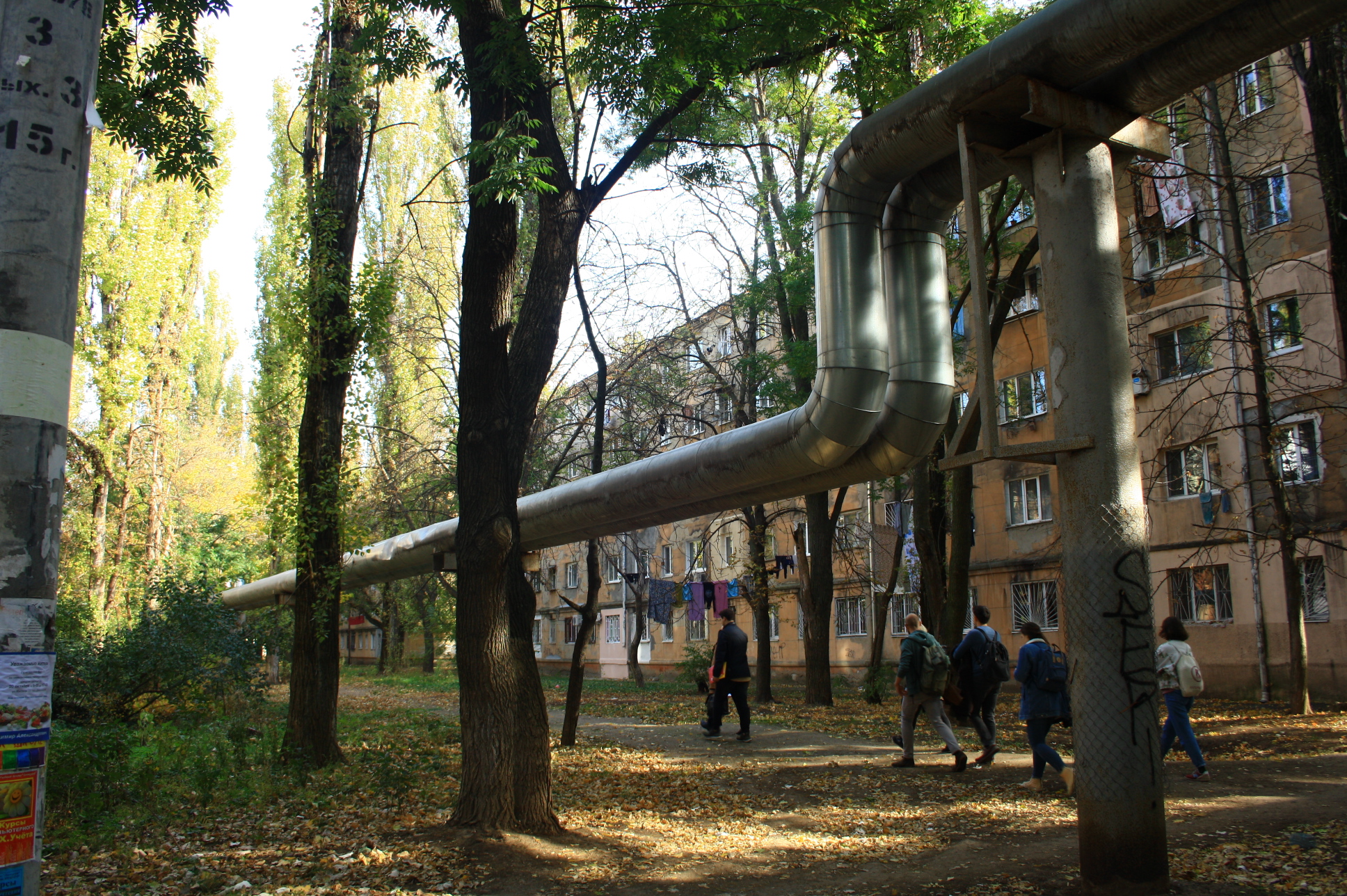
Fig. 2. Odesa, Cheremushki District
Photo: Maria Tumureeva, 2018
2. The Municipal Perspective — The Power of Simple Actions
Speaking for the city, Oleksandr Grekov shifted the discussion from policy to practice.
His argument was straightforward yet profound:
“If you do small repairs on time, you won’t need a major reconstruction — and you’ll save ten or twenty times the cost.”
Resilience, in his view, begins not after destruction but in routine maintenance — the small, visible, everyday work that prevents decay.
Grekov described the city’s heritage buildings, made of fragile limestone that crumbles if moisture seeps in. Timely, simple interventions could preserve them for decades.
But he also pointed to deeper structural problems:
developers focus on new housing while neglecting infrastructure and social services.
True urban resilience, he argued, depends on institutional responsibility — on planning codes, transparency, and citizen participation.
Only then can those “simple things” scale up into a systemic practice of care.
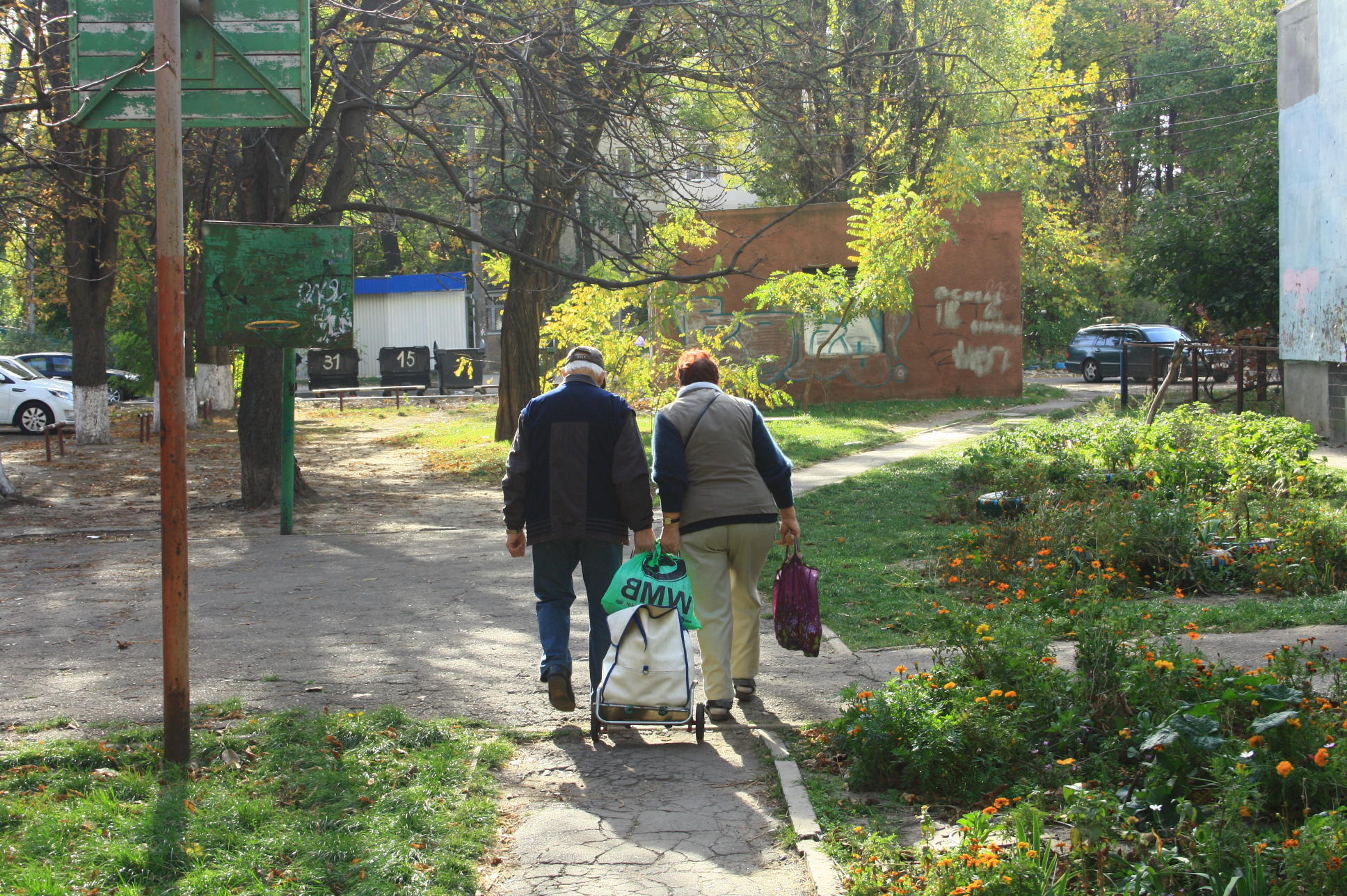
Fig. 3. Odesa, Cheremushki District
Photo: Maria Tumureeva 2018
3. The Architects’ Perspective — The City as a Living Mechanism
One of the architects recalled Le Corbusier’s famous line — “a house is a machine for living” — and reframed it for today:
“If a house is a machine for living, then a city is a network of such machines.”
The metaphor fits perfectly.
Urban resilience, argued Mykola Matyushenko, depends on synchronization — when transport, infrastructure, and social life operate as interdependent systems.
If one part fails, the rest falters.
For architects, as underlined Mykyta Lukyanchuk resilience is not just structural but spatial and emotional.
A comfortable, well-designed environment supports social cohesion and psychological stability.
Across post-Soviet cities, they observed, new housing often arrives without the networks that sustain life between the buildings — the schools, parks, and streets that make a city livable.
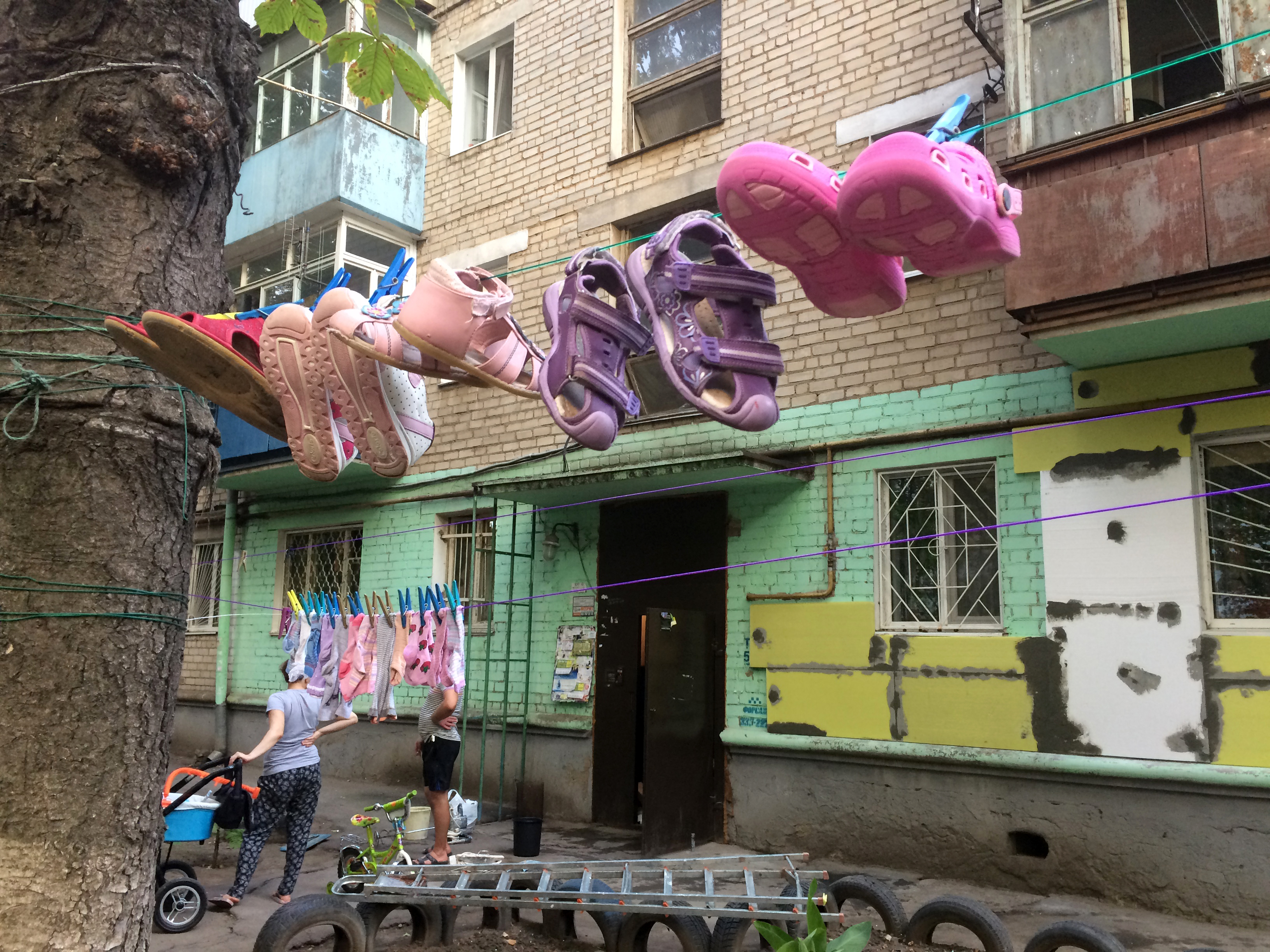
Fig. 4. Odesa, Cheremushki District Courtyard Environment
Photo: Ludmila Kozlova 2017
4. The Academic Perspective — Knowledge, Heritage, Continuity
From the Odesa Academy, Prof. Dr. Volodymyr Sukhanov and Prof. Dr. Olga Savytska spoke about resilience through knowledge and heritage.
For them, restoration is not nostalgia; it’s a form of care — technical, historical, and cultural.
Sukhanov noted how a neglected façade can quietly become a structural loss:
“If you delay minor repairs, the costs multiply exponentially. Maintenance is preservation.”
Savytska added that education itself is a resilient system — it maintains skills, methods, and professional ethics that allow cities to sustain themselves over time.
In their words, heritage is not a burden of the past but a living infrastructure of memory and identity — a resource for rebuilding meaning as much as material.
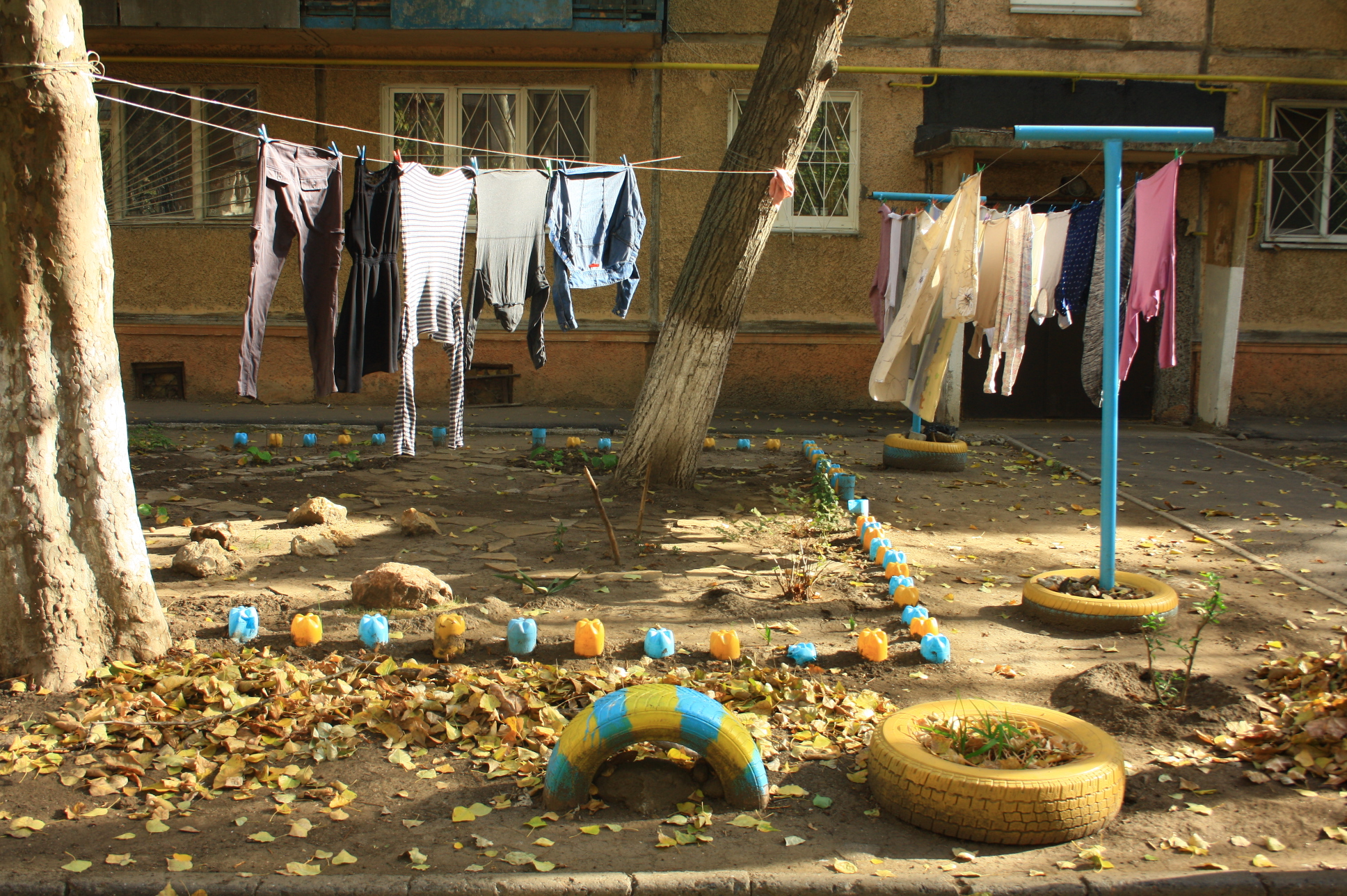
Fig. 5. Odesa, Cheremushki District
Photo: Maria Tumureeva 2018
Four Levels, One Structure
By the end of the roundtable, the four levels began to interlock:
- International actors offer methods and resources.
- Municipal systems set the rules and frameworks.
- Architects translate systems into lived spaces.
- Academia preserves and renews knowledge.
Resilience, as this Odesa conversation revealed, is not a single act or profession.
It is a coordinated practice of maintenance, adaptation, and learning — a shared architecture of care that links scales and disciplines.
To build resilience from facade to structure is to rethink the city itself:
how it is maintained, who is responsible, and how its memory sustains its future.